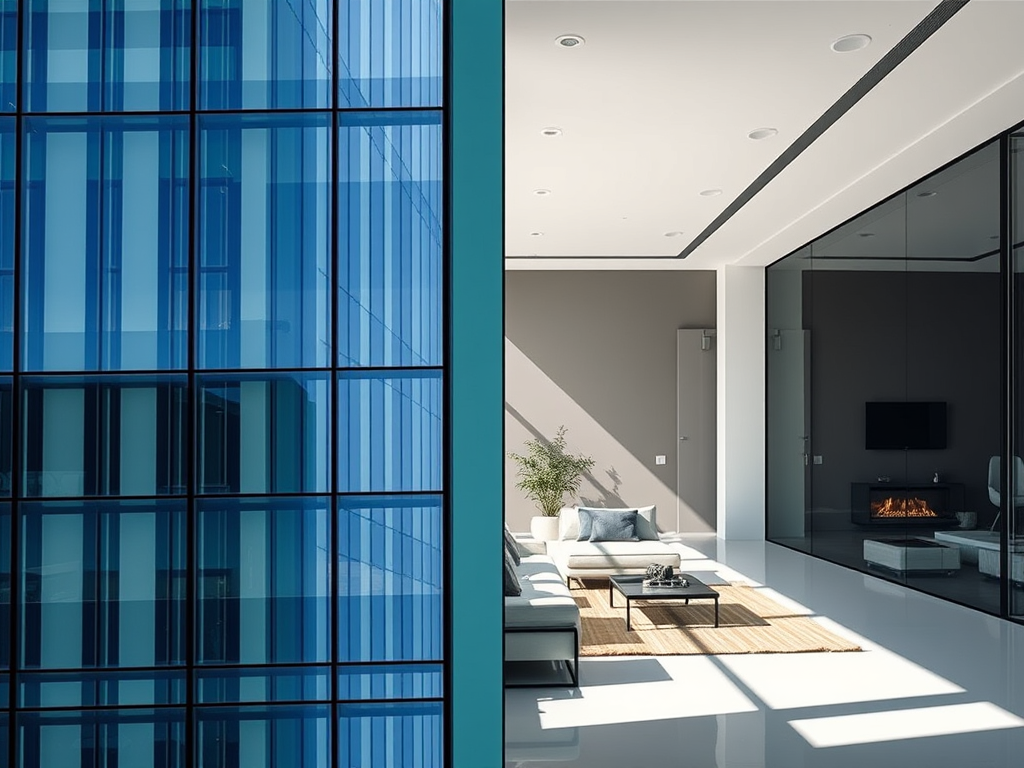
In the world of architectural glass and smart building solutions, electrochromic glass has emerged as a cornerstone of energy efficiency and light management. As businesses and luxury residences strive for sustainable yet high-tech environments, understanding how dynamic glazing works is essential for making informed design choices.
What is Electrochromic Glass?
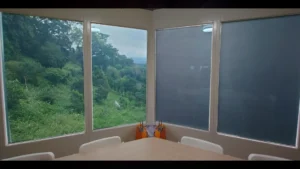
Electrochromic glass, often referred to as “EC glass” or “smart tinting glass,” is a solution that changes its light transmission properties when a low-voltage electrical current is applied. Unlike traditional blinds or shades, this technology allows the glass to tint on demand, controlling solar heat gain and glare without obstructing the view.
The core of this technology lies in thin layers of ceramic material. When electricity triggers a chemical reaction, the ions move between layers, causing the glass to darken.
Electrochromic Glass vs. PDLC Smart Film: Which One Do You Need?
At BrixiaTech, we often encounter clients asking for “electrochromic solutions” when they are actually looking for the instant privacy provided by PDLC (Polymer Dispersed Liquid Crystal) technology. While both fall under the “smart glass” umbrella, they serve different primary purposes:
| Feature | Electrochromic Glass (EC) | PDLC Smart Film / Glass |
| Primary Goal | Solar control & Energy saving | Instant Privacy |
| Transition Speed | Slow (several minutes) | Instant (milliseconds) |
| Appearance | Tints darker (blue/grey) | Becomes opaque (milky/frosted) |
| Transparency | Remains transparent while tinted | Completely blocks the view |
| Best For | External building facades | Meeting rooms, bathrooms, partitions |
Key Benefits of Smart Glazing Solutions
- Implementing dynamic glass technologies like EC or PDLC offers significant advantages for modern architecture:
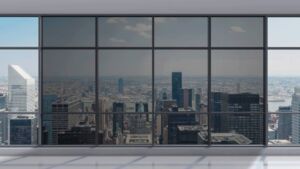
- Energy Efficiency: By blocking solar heat before it enters the building, you can reduce HVAC (air conditioning) costs by up to 20-30%.
- UV Protection: These solutions block over 98% of harmful UV rays, protecting interiors and furniture from fading.
- Adaptive Comfort: Occupants can maintain a connection with the outdoors while eliminating glare on screens and workstations.
- Minimalist Aesthetics: Say goodbye to dust-collecting curtains and mechanical blinds.
Applications in High-End Projects
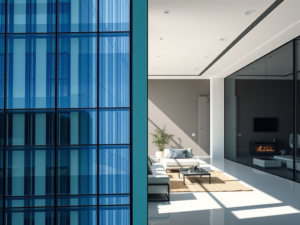
From the skyscrapers of Milan to luxury yachts like those by OTAM, dynamic glazing is redefining luxury. Whether it is the sophisticated smart glass black used in the Panerai Jupiterium or the thermal shielding required for large showroom windows, these technologies provide a seamless blend of function and style.
Why Choose BrixiaTech for Your Smart Glass Project?
While electrochromic glass is excellent for large-scale external facades, BrixiaTech specializes in high-performance PDLC Premium and Easy Value films that offer instant privacy and versatile design options (such as the Smart Blind effect). Our expertise ensures that your glass surfaces—whether in a medical studio, a corporate office, or a luxury boutique—perform at the highest technical standards.
Ready to integrate Dynamic Glazing into your next project? > Choosing between Electrochromic and PDLC technology depends on your specific goals for privacy and solar control. Contact the BrixiaTech technical team today for a professional consultation and discover how our smart solutions can elevate your architectural vision.